
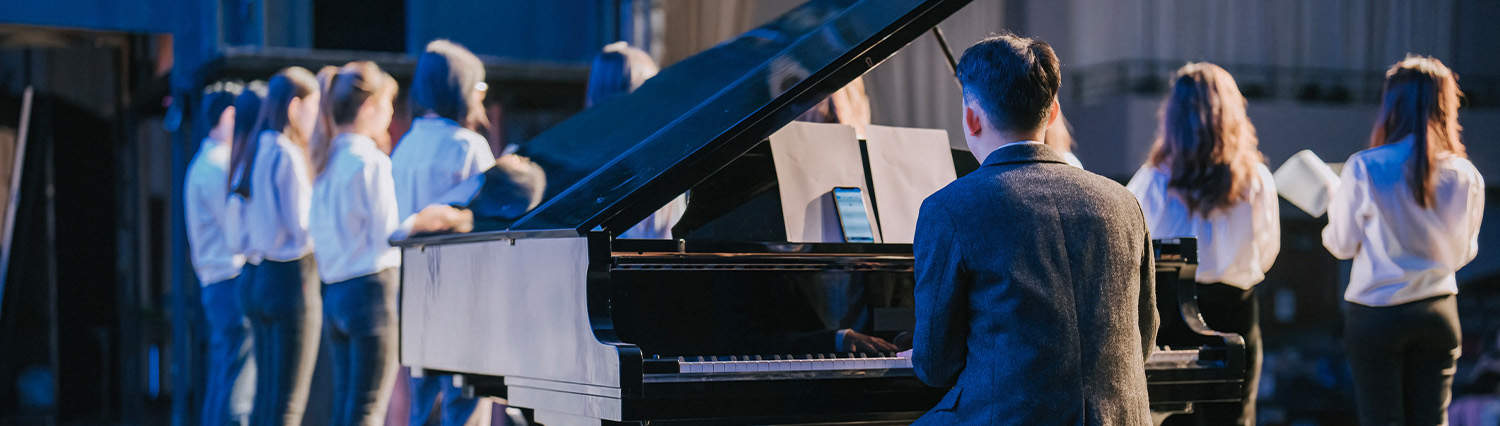
Supporting K–12 schools, private institutions, and universities with tools, insights, and solutions designed to strengthen music education.
Explore a curated collection of resources designed to support music educators and institutions. From funding opportunities and classroom models to emerging piano technologies, each section below is selected to help you strengthen and grow your program.

Expanding Access to Arts Education
A growing number of school districts are using federal resources to support arts education. According to a recent report from the National Association for Music Education (NAfME), participating districts have used these funds for instructional materials, digital resources, instruments and equipment, professional development, and partnerships that expand student access.
The report also identifies continuing gaps and the need for greater investment. Because eligibility and allowable uses vary, educators interested in exploring these opportunities should work with their district’s grant, finance, or federal-program personnel.
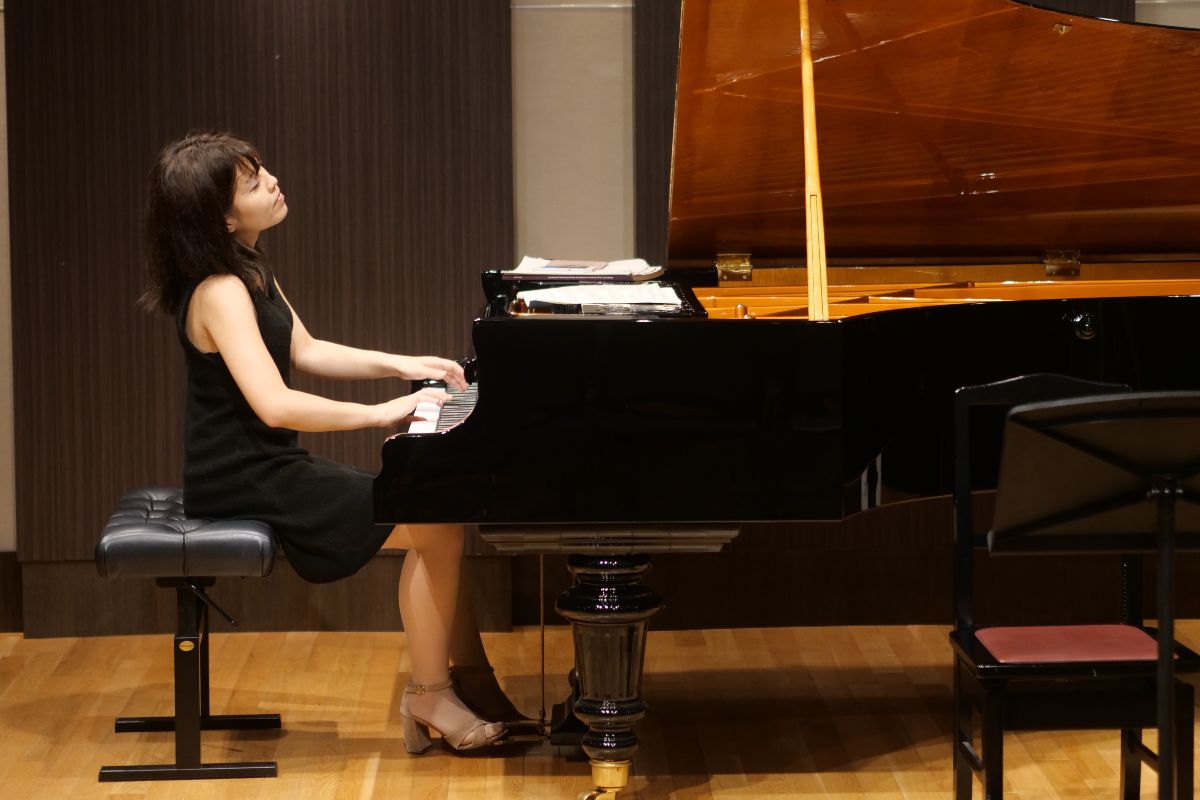
Piano Maintenance for Schools and Institutions
Years of working with schools and institutions have shown us that pianos in educational settings face very different demands than pianos in homes or private studios. Constant use in lessons and rehearsals, being moved between rooms with different humidity and climate levels, and the need to remain in top playing condition all present challenges.
Many institutions already work with excellent technicians who know their instruments and programs well. Those relationships are important, and our purpose is not to replace them. For schools without an established service relationship, or those occasionally needing additional assistance, our Service Department has extensive experience in caring for pianos in educational settings.
More Than Tuning
Tuning matters, but it’s only one part of keeping an institutional piano dependable and ready to play. Regulation, the adjustment of the many action parts that help a piano play consistently and responsively, is also essential.
With hard use in the classroom or on stage, school pianos may also require voicing. This process of shaping and working with the felt hammers helps preserve the piano’s tonal character and keeps it sounding its best.
As with any acoustic piano, parts wear with ongoing use. Significant changes in temperature and humidity from room to room can also affect tuning stability and the piano’s long-term playing condition.
The way a piano is used helps determine how much service it needs. A recital hall or stage piano may require a different service plan from a piano in a practice or teaching room.
Planning Around the Academic Year
We know piano service must fit the realities of the academic calendar. Some work is best completed before students and faculty return in the fall, while other services must be scheduled around rehearsals, juries, auditions, performances, and other events. Seasonal shutdowns and changes in heating or air conditioning can also create concerns that should be addressed before a new term begins.
When budgets are limited, a knowledgeable technician or service team can help prioritize what needs attention. Some instruments may need immediate care, while others can be placed on a longer-term schedule. In some situations, moving a piano to a different room can significantly improve its lifespan and musical usefulness.
Whether an institution works with a valued technician or calls on our team for occasional assistance, the goal is the same: to keep its pianos dependable, responsive, and ready to support the students and teachers who use them.
If Your School Needs Additional Service Support
If your school doesn’t have an established technician, or if additional support would be helpful for a particular project, our Service Department, led by a member of the Piano Technicians Guild, is available to assist.
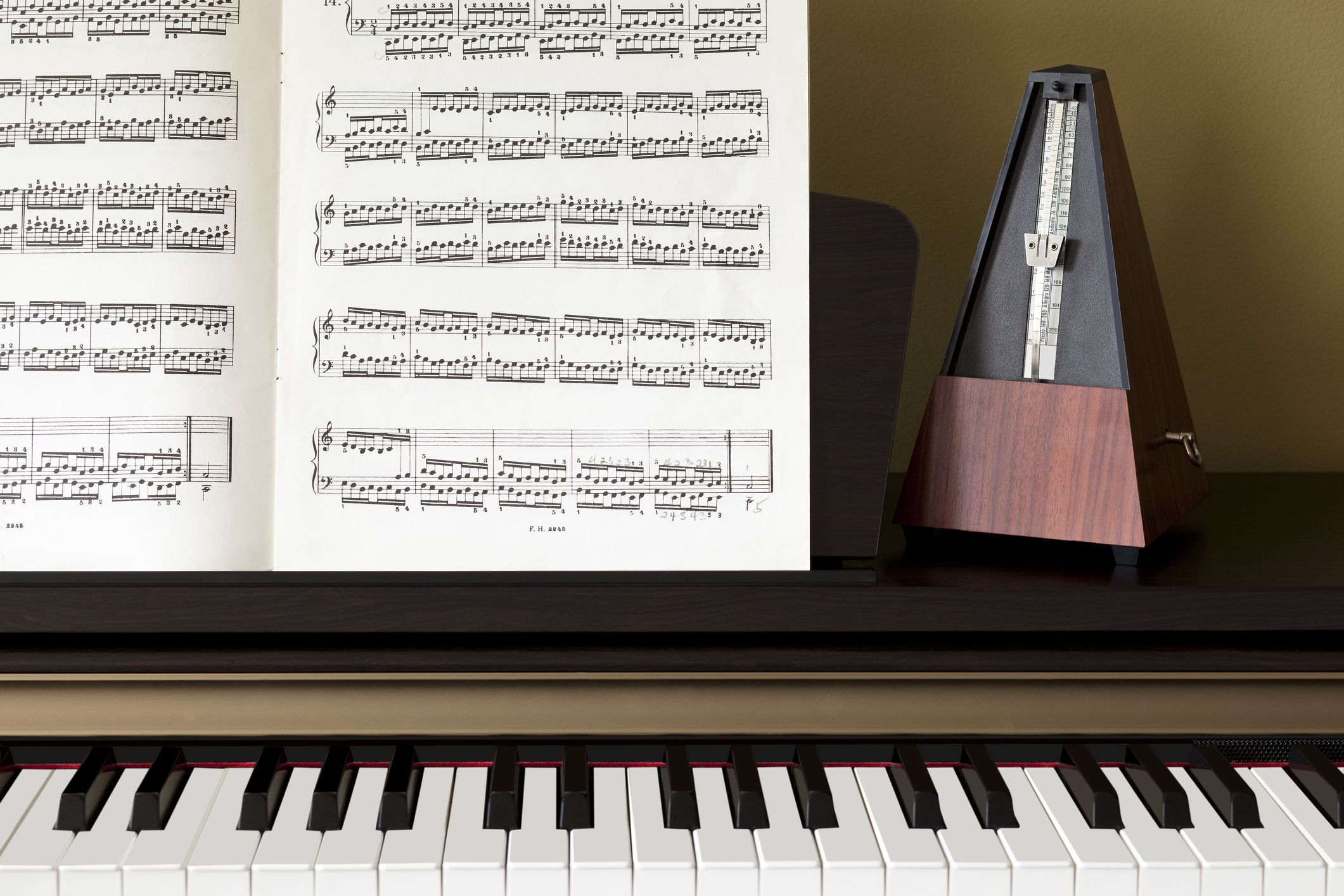
What to Know Before Accepting a Donated Piano
Based on conversations with our many institutional clients, we know that schools receive well-intentioned offers of free pianos all the time. Families, former students, and community members genuinely want to help in this way. However, once accepted, some donated instruments arrive with problems that can quickly place an unexpected strain on a school’s budget.
These pianos may need considerable work just to become dependable, including action repairs, regulation, structural repairs, or pitch correction. In other cases, parts may be so worn that repairing or replacing them would cost more than the piano is worth. Some instruments may have served their original owners very well but were never designed for the demands of a teaching or institutional environment. If a piano ultimately proves unusable, the school may also be left responsible for moving or disposal costs.
Most donors mean well, and their generosity is sincere. The challenge is that appearance and sentiment rarely reveal a piano’s true condition, its suitability for the intended space, or the costs a school may inherit.
In Piano Buyer’s article, “Piano Purgatory: The Donated Piano,” technician Sally Phillips outlines how institutions can avoid accepting pianos that are worn out, unsuitable for heavy use, or simply wrong for the intended room.
Her recommendations include creating a piano plan, identifying appropriate target instruments, establishing written donation guidelines, and obtaining an evaluation from a qualified technician before accepting a gift.
A Consistent Review Process
A written checklist, similar to the one recommended in Sally Phillips’s article, can provide the school with a consistent internal process to follow and often helps preserve the relationship with the donor. Our team has created a practical donation-review checklist for this purpose. It’s available at no charge and can be viewed and downloaded here.
The checklist helps the school consider the piano’s age, condition, intended use and location, anticipated repairs, moving expenses, and future maintenance needs. It’s intended as an initial screening tool and doesn’t replace an in-person evaluation by a qualified technician.
It’s also important to remember that not all donated pianos are unsuitable. Occasionally, a high-quality instrument with plenty of musical life remaining is offered. In such cases, a trusted technician who already knows the school, its instruments, and its program can determine whether the piano is a good fit.
Whenever possible, we encourage institutions to begin with the technician who already cares for their pianos. For schools without an ongoing service relationship, or those facing a specific project or evaluation, our Institutional and Service teams can help arrange an assessment.
Before a school accepts responsibility for moving or maintaining a donated piano, the instrument should be evaluated for its condition, likely repair needs, anticipated costs, and suitability for the proposed space. Responsibility for inspection and moving expenses should also be established before the piano is accepted. If the donor intends to claim a charitable deduction, the donor should consult a qualified tax adviser regarding any independent appraisal requirements.
Following this process allows the institution to respond to the donor both graciously and responsibly.
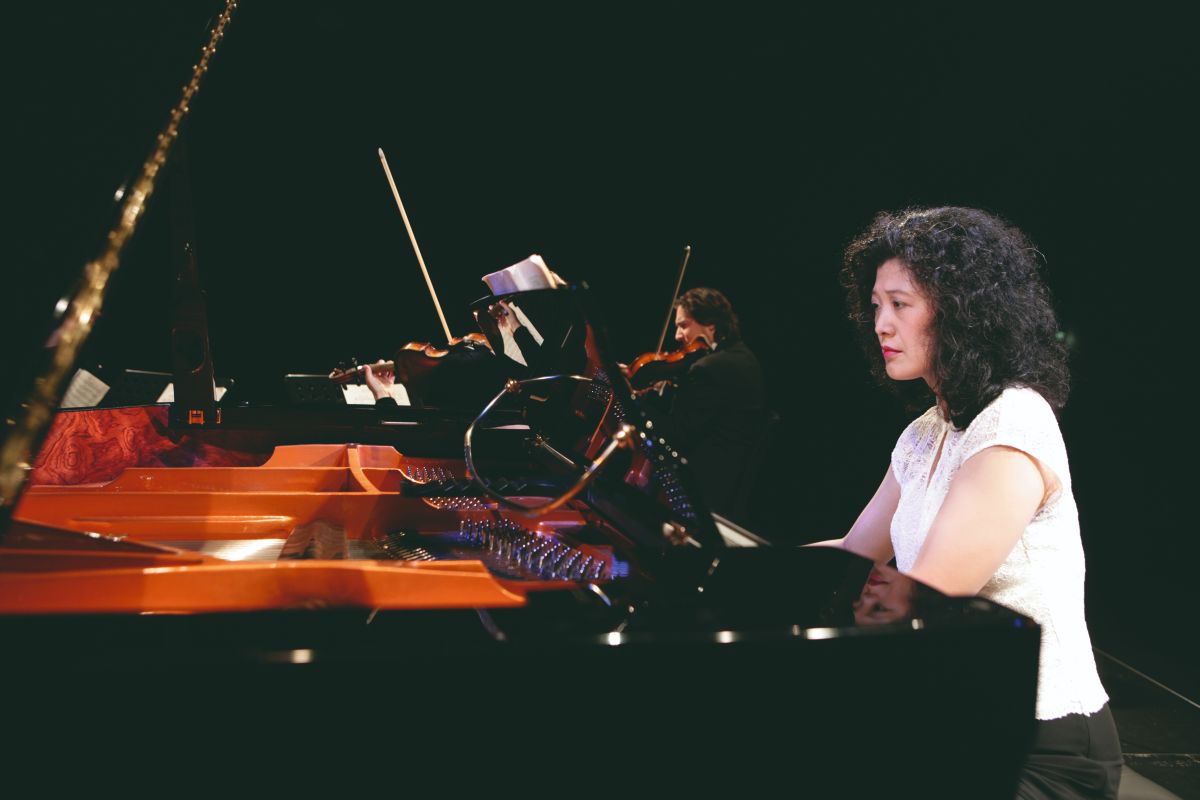
When Should a School Replace an Institutional Piano?
Music educators often know when a piano is nearing the end of its useful institutional life long before those responsible for budgets recognize the need for replacement. With all their other duties, presenting a clear, well-supported case for repair, reassignment, or replacement isn’t always easy.
In the world of pianos, age alone doesn’t decide the question. We often say it’s not the age but the “mileage” of the instrument. Some older pianos remain useful because they were well made, consistently maintained, and kept in a favorable environment. Others have endured years of heavy use, frequent moves, changing climates, or irregular service.
The Costs That Don't Appear on an Invoice
As music educators know, unlike a fine violin or cello, a piano doesn’t necessarily improve with age. An older piano may lose much of its original sound and voice, struggle to hold a stable tuning, or respond unevenly from note to note.
Teachers may spend valuable lesson time working around these limitations. Accompanists may find the piano difficult to use in rehearsals or performances, while students can struggle to develop control and listening skills on an instrument with diminished or inconsistent touch and tone.
It often falls to the educator to help administrators understand how the piano’s condition is impacting teaching and learning. The school’s piano technician can be especially helpful in providing the technical information needed to support that conversation.
Building a Stronger Case
Begin by documenting how the piano is used, including the number of students, courses, ensembles, rehearsals, and performances it supports. Add its maintenance history, current condition, tuning stability, and recommendations from a qualified technician.
It also helps to compare the alternatives:
- Would targeted repairs restore dependable use?
- Is the piano of sufficient quality to justify rebuilding?
- Could it be reassigned to a less demanding location?
- Would further investment merely postpone the need for replacement?
Finally, connect the instrument directly to the program. Explain how a new or better piano would support instruction, students, or events. A proposed maintenance plan and expected service life can also help demonstrate that the school is making a responsible long-term investment.
Whenever possible, we encourage schools to begin with a technician who already knows and cares for their pianos. For institutions needing additional assistance, Classic Pianos’ Institutional and Service teams can also help assess existing piano inventory, establish priorities, and provide supporting information to begin the conversation. This initial support is available at no charge.
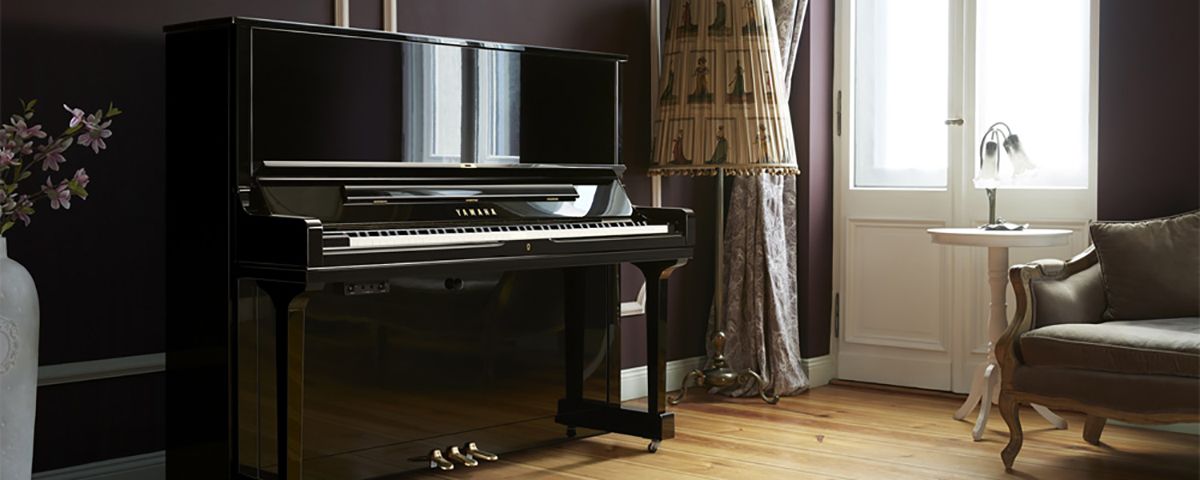
When a Teaching Piano Needs to Do More: The Yamaha YUS1
What if a teaching space needs a performance-grade piano but cannot accommodate a grand piano?
In a faculty studio, advanced classroom, choir room, or rehearsal space, teachers and students may still need greater tonal range, responsiveness, and musical control than a basic institutional upright can provide.
The 48-inch Yamaha YUS1 was created for players who expect more from an upright piano. Crafted in Kakegawa, Japan, it brings features associated with Yamaha’s concert-piano experience into an upright that fits comfortably in teaching environments where space is limited.
What makes the YUS1 different from a basic institutional upright?
Yamaha selects premium spruce for the YUS Series soundboards and uses concert-quality hammer felt, hand-wound European bass strings, and individual voicing and regulation to develop a broader range of color and expression. Yamaha’s tone-escapement design helps release sound toward the player and into the room, giving the YUS1 a more open presence than many traditional uprights.
For institutional use, consistency and longevity also matter. The YUS1 includes five spruce back posts, a V-Pro frame, a hard-maple bridge and pinblock, and Yamaha’s aluminum action rail, which is designed to resist small dimensional changes caused by fluctuations in temperature and humidity. A soft-close fallboard adds a practical measure of protection in shared teaching spaces.
Even with these impressive specifications and materials, the strength of the YUS1 is how well its design elements work together to create a responsive and highly musical playing experience.
Where might the YUS1 fit within a music program?
The YUS1 isn’t intended to replace a small grand. Its value lies in providing a serious musical instrument in rooms where a grand may not be practical. For advanced instruction, accompaniment, rehearsal, and everyday faculty or student use, it offers institutions a professional upright for those seeking more.
The Yamaha YUS1 can be a strong fit for programs that need a more serious upright, with sound and touch that support advanced teaching and rehearsal. For those seeking similar musical qualities but needing even more volume, the 52-inch YUS3 or YUS5 models may also be worth considering.
How can a school determine which piano will best serve its program?
As with every institutional piano decision, the room, intended use, number of players, and long-term expectations should guide the choice. Our Institutional Piano Division can meet with you to compare the YUS1 with other professional uprights and appropriately sized grand pianos to determine which instrument best serves your program.
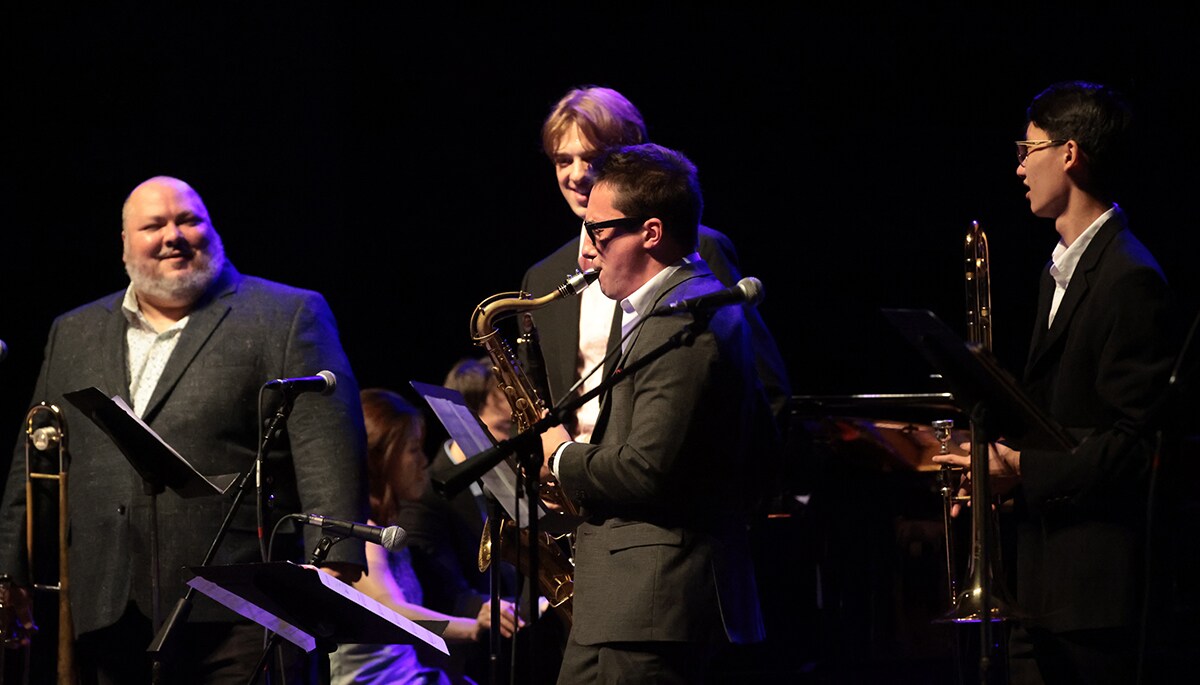
Yamaha Young Performing Artists: 2026 Honorees and 2027 Applications
The Yamaha Young Performing Artists program recognizes exceptional young musicians studying in the United States who are beginning to distinguish themselves in classical, jazz, and contemporary music.
Since this program began, Yamaha has recognized more than 300 talented young artists, many of whom have gone on to careers as performers and educators. Winners in this program participate in a Celebration Weekend with performance opportunities, workshops, recordings, photography, national media exposure, and career-development support from Yamaha Artist Relations.
For college and university educators, this could be a program you’ll want your students to know about. Educators are often among the first to know when a young musician has the artistry, discipline, and readiness to benefit from such a high-profile national opportunity. A future Yamaha Young Performing Artist could very well be studying in one of the communities or institutions we serve.
The 2026 candidates submitted video auditions and supporting materials reviewed by Yamaha Artists and nationally recognized musicians. Yamaha currently lists the 2027 program as coming soon. Educators may want to review the qualifications now, share the opportunity with their talented students, and return as the next competition details are announced.
I'm interested in making a connection with my institution
For institutional pricing & financing, please complete the form below.